
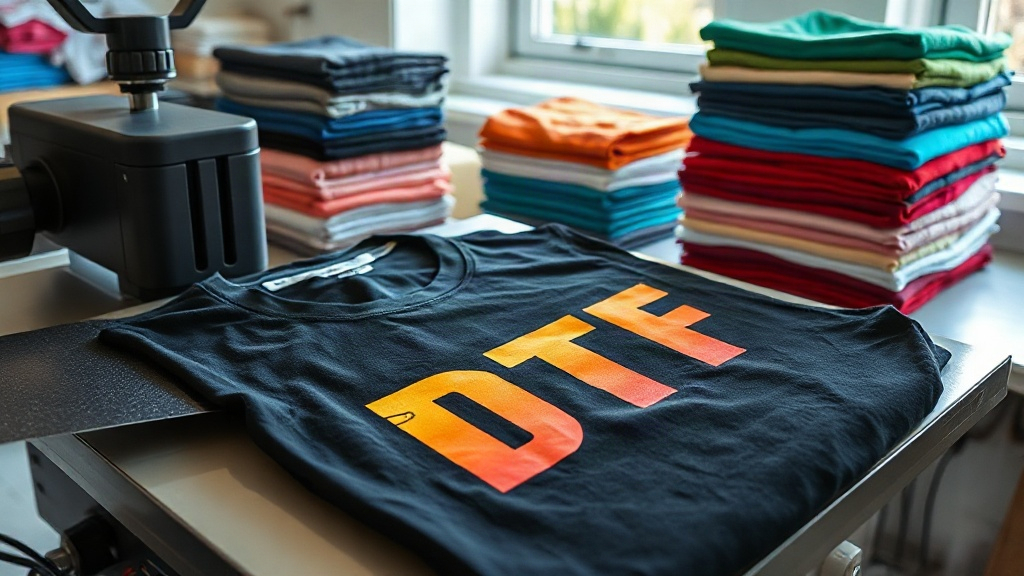
When you first start experimenting with DTF transfers, you quickly realize that not all blanks are created equal. I remember the first time I pressed a full-color transfer onto a Shaka Wear tee, expecting the same results I got from my usual Smart Blanks order. The print looked great out of the press, but after a few washes, the edges began to lift. That experience taught me that success with DTF isn't just about the transfer itself; it's about understanding the canvas you're printing on. In this guide, I'll share what I've learned from countless press cycles, so you can avoid the same mistakes and get consistent, professional results every time.
Why DTF Transfers Are a Game-Changer for Custom Apparel
DTF transfers have exploded in popularity for good reason. Unlike traditional screen printing, they allow for intricate, multi-color designs without the setup costs or color limitations. You can print photographic images, gradients, and fine details that would be impossible or prohibitively expensive with other methods. Plus, DTF works on a wide range of fabrics, including cotton, polyester, and blends. For small businesses and hobbyists alike, it's a cost-effective way to offer custom apparel without investing in screens or specialized equipment. The process involves printing your design onto a special film, applying a powder adhesive, and then heat-pressing it onto the garment. The result is a vibrant, durable print that feels soft to the touch.
Understanding Shaka Wear: A Streetwear Favorite
Shaka Wear has become a staple in the streetwear and urban fashion scene. Their tees are known for their heavyweight cotton, relaxed fit, and exceptional durability. When you pair Shaka Wear with DTF transfers, you get a combination that can withstand heavy wear and tear. However, the thick fabric and tight knit can present some challenges. The key is to adjust your pressing parameters to ensure the adhesive fully penetrates the fibers without scorching the garment. I've found that Shaka Wear shirts tend to require slightly higher pressure and a bit more time than lighter blanks. Also, because they are often 100% cotton, they can shrink slightly after the first wash, so pre-shrinking or accounting for that in your sizing is wise.
Best Practices for Pressing DTF on Shaka Wear
From my experience, here's a reliable starting point for pressing DTF transfers onto Shaka Wear tees:
- Pre-press the garment for 5-7 seconds to remove moisture and wrinkles.
- Set your heat press to 325°F (160°C).
- Use medium-heavy pressure (around 5-6 on a scale of 10).
- Press for 15-20 seconds.
- Peel the film either hot or cold. I prefer cold peel for Shaka Wear because it allows the adhesive to set fully, reducing the risk of stretching the print.
- After peeling, do a second press for 5-10 seconds with a Teflon sheet or parchment paper to smooth the print and improve wash durability.
These settings have worked well for me, but always test on a scrap piece first, as different presses and environments can vary.
Smart Blanks: Affordable and Versatile
Smart Blanks are another popular choice, especially for budget-conscious projects. They offer a good balance of quality and price, making them ideal for large orders or promotional items. Many Smart Blanks styles are polyester blends, which can behave differently with DTF transfers. Polyester is more sensitive to heat, so you'll want to lower your temperature to avoid scorching or dye migration. Dye migration is a particular concern with brightly colored polyester garments; the dye can sublimate into the adhesive and cause discoloration. To prevent this, use a lower temperature (around 300°F) and a shorter press time. Also, consider using a barrier sheet or a low-bleed transfer film. I've had great success with Smart Blanks when I adjust my settings accordingly. The prints come out vibrant and hold up well after multiple washes.
Optimizing Your Press for Smart Blanks
Here's a starting point for Smart Blanks:
- Pre-press for 3-5 seconds to remove wrinkles.
- Set temperature to 300°F (150°C).
- Use medium pressure (4-5 on a scale of 10).
- Press for 10-15 seconds.
- Peel cold for best results.
- Post-press for 5 seconds with a cover sheet.
Again, these are guidelines. Always test with your specific equipment and materials.
Comparing DTF Performance on Shaka Wear vs. Smart Blanks
After pressing hundreds of shirts from both brands, I've noticed some differences in how DTF transfers adhere and age. Shaka Wear's heavyweight cotton provides a robust surface that locks in the adhesive, resulting in excellent durability. The prints tend to feel slightly more embedded in the fabric, giving a softer hand. On the other hand, Smart Blanks often have a smoother, sometimes slicker surface, which can make the transfer sit more on top of the fabric. This can lead to a slightly stiffer feel initially, but it usually softens after a few washes. In terms of wash tests, both performed well when pressed correctly, but Shaka Wear edges out slightly in longevity, especially on high-wear areas like the chest and shoulders. However, Smart Blanks are more forgiving if you're new to DTF because they require less pressure and are less prone to scorching.
Common Pitfalls and How to Avoid Them
Even with the best materials, things can go wrong. Here are some issues I've encountered and how to fix them:
- Peeling after wash: Usually caused by insufficient pressure or time. Increase pressure and press time, and ensure you post-press.
- Cracking: Often due to overstretching the garment during peeling or pressing. Use cold peel and handle gently.
- Dye migration: Common on polyester. Lower temperature and use a barrier sheet.
- Scorching: Too much heat. Reduce temperature and use a Teflon sheet.
- Adhesive residue: Too much powder or insufficient curing. Shake off excess powder and ensure proper pressing.
By being mindful of these, you can troubleshoot quickly and maintain high quality.
Choosing the Right Blanks for Your DTF Projects
When deciding between Shaka Wear and Smart Blanks, consider your end use. For premium retail items or streetwear brands, Shaka Wear offers a luxurious feel and superior durability that customers notice. For promotional events, team uniforms, or budget-friendly lines, Smart Blanks provide excellent value without sacrificing too much quality. I often keep both on hand, using Shaka Wear for my high-end clients and Smart Blanks for samples and bulk orders. The key is to match the blank to the purpose and adjust your DTF process accordingly.
Frequently Asked Questions
Can I use DTF transfers on 100% polyester Shaka Wear shirts?
Yes, but you need to be cautious. Shaka Wear does offer some polyester styles, though they are more known for cotton. If you're using a polyester Shaka Wear shirt, lower your press temperature to around 300°F and use a barrier sheet to prevent dye migration. Always test first.
How do I wash a shirt with a DTF transfer to make it last?
Turn the garment inside out and wash in cold water on a gentle cycle. Avoid using fabric softeners, as they can degrade the adhesive. Tumble dry on low or hang dry. Following these steps will significantly extend the life of your print.
What pressure should I use for Smart Blanks with DTF?
Smart Blanks typically require medium pressure, around 4-5 on a scale of 10. Too much pressure can cause the transfer to spread or the garment to scorch. Start with medium and adjust based on your test results.
Why does my DTF transfer look dull after pressing?
Dullness can occur if the transfer is under-pressed or if the adhesive didn't fully activate. Try increasing your press time or temperature slightly. Also, ensure you're using a clean, smooth cover sheet during post-pressing to bring out the shine.
Are DTF transfers durable on Shaka Wear after multiple washes?
Absolutely. When pressed correctly, DTF transfers on Shaka Wear can withstand 50+ washes with minimal fading or cracking. The key is proper preparation and post-pressing.