
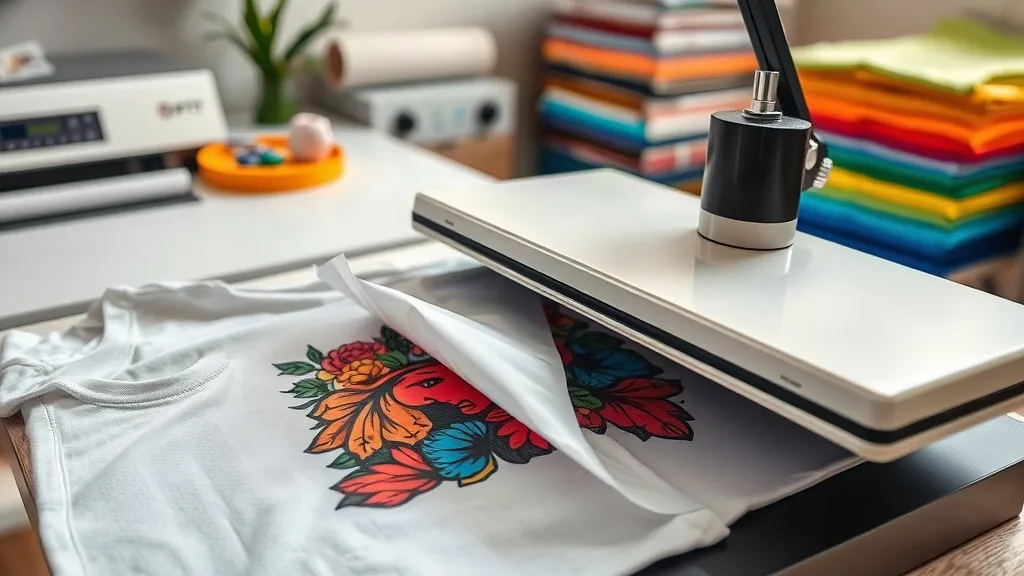
When you first hear about dtf printing, it might sound like just another printing acronym. But once you see a DTF transfer in action, you realize it's a game-changer for custom apparel. Unlike traditional methods that require specific fabrics or complicated setups, DTF transfers offer incredible versatility and durability. Whether you're a hobbyist or a small business owner, understanding DTF transfers can open up a world of possibilities for your designs.
What Exactly Are DTF Transfers?
DTF stands for Direct to Film. It's a printing process where your design is printed onto a special film, then coated with a powder adhesive and cured. The result is a transfer that can be applied to almost any fabric using a heat press. The magic lies in the adhesive powder: it melts and bonds with the fabric fibers, creating a strong, flexible bond that survives countless washes.
What sets dtf transfers apart is their ability to handle intricate details and vibrant colors. Unlike screen printing, which requires a separate screen for each color, DTF printing uses a single film with CMYK and white inks. This means you can print photorealistic images, gradients, and fine lines without breaking the bank. Plus, the white ink layer acts as a base, making colors pop even on dark garments.
Why Choose DTF Transfers Over Other Methods?
If you've tried other printing methods, you know their limitations. Vinyl is great for simple shapes but a nightmare for complex designs. Screen printing is cost-effective for large orders but expensive for small batches. DTG (Direct to Garment) works well on cotton but struggles with synthetics. DTF transfers sidestep these issues.
- Fabric versatility: Works on cotton, polyester, blends, leather, and even nylon. No need to stock different supplies.
- No color limitations: Print any color, including gradients and photographs, without extra costs.
- Durability: Properly applied DTF transfers outlast vinyl and often rival screen printing in longevity.
- Low minimums: Perfect for one-off custom pieces or small business runs.
- Soft feel: Unlike thick plastisol transfers, DTF prints have a thin, flexible hand feel.
These advantages make DTF transfers a smart choice for anyone looking to create professional-looking apparel without a huge investment.
How to Apply DTF Transfers Correctly
Getting a perfect DTF transfer isn't just about the design; application matters. Here's a step-by-step guide to ensure your prints come out flawless every time.
Step 1: Prepare Your Workspace
Set your heat press to the recommended temperature, usually around 325°F (160°C). Pre-press your garment for a few seconds to remove moisture and wrinkles. This step is crucial because trapped moisture can cause the transfer to peel or bubble.
Step 2: Position the Transfer
Place the DTF transfer on the garment with the printed side facing up. If your design has a white layer, that side goes against the fabric. Use heat-resistant tape to hold it in place if needed.
Step 3: Press and Peel
Apply medium pressure for 10-15 seconds. Then, wait for the transfer to cool completely before peeling off the film. This cool-peel method ensures the adhesive sets properly. Rushing this step can lead to distorted prints.
Step 4: Post-Press for Durability
For extra durability, cover the design with a Teflon sheet or parchment paper and press again for 5-10 seconds. This step embeds the ink deeper into the fabric, making it more resistant to cracking.
Common Mistakes to Avoid with DTF Transfers
Even seasoned crafters make mistakes. Here are the most common pitfalls and how to steer clear of them:
- Using too much pressure: This can cause the adhesive to spread too thin, leading to poor adhesion. Stick to medium pressure.
- Peeling while hot: Always wait for the transfer to cool. Hot peel can stretch the design.
- Ignoring fabric type: While DTF works on many fabrics, some like nylon require lower temperatures to avoid melting.
- Skipping pre-press: Moisture is the enemy. Always pre-press.
- Not testing: Before a big order, test on a scrap piece of fabric to dial in your settings.
By avoiding these mistakes, you'll save time and materials.
Design Tips for Stunning DTF Prints
Your design is the heart of the transfer. To make it look its best, consider these tips:
Use High-Resolution Images
DTF printing captures fine details, so start with a high-resolution file (300 DPI or higher). Low-res images will look pixelated.
Add a White Underbase
If printing on dark fabrics, ensure your design includes a white underbase. Most DTF software adds this automatically, but double-check. Without it, colors may appear dull.
Keep It Simple
While DTF handles complexity well, sometimes less is more. Bold, clean designs often have a stronger visual impact.
Consider the Fabric Color
Remember that the fabric color can affect the final look. For light fabrics, you might not need a white base, but for dark ones, it's essential.
Caring for Your DTF Printed Garments
To keep your DTF transfers looking fresh, follow these care instructions:
- Wait 24 hours before washing to let the adhesive fully cure.
- Turn the garment inside out before washing.
- Use cold water and a gentle cycle.
- Avoid bleach and fabric softeners, which can degrade the adhesive.
- Tumble dry on low or hang to dry.
- Iron inside out, never directly on the print.
With proper care, your DTF prints can last as long as the garment itself.
Troubleshooting Common Issues
Even with perfect technique, issues can arise. Here's how to fix them:
Transfer Not Sticking
If the transfer peels off, it could be due to insufficient pressure, temperature, or time. Increase one variable at a time and test again. Also, ensure the fabric is clean and dry.
Cracking or Fading
This often happens after washing. Make sure you're following the care instructions. If cracking occurs, try a post-press with a Teflon sheet to re-melt the adhesive.
Color Looks Dull
On dark fabrics, a missing or insufficient white underbase can cause dull colors. Check your design file and ensure the white layer is present.
Frequently Asked Questions
What fabrics can I use with DTF transfers?
DTF transfers work on a wide range of fabrics, including cotton, polyester, blends, leather, and nylon. However, for heat-sensitive fabrics like nylon, use lower temperatures and test first.
How long do DTF transfers last?
With proper application and care, DTF transfers can last 50+ washes or more. They are known for their durability, often outlasting vinyl and DTG prints.
Can I stretch DTF prints?
DTF prints have some stretchability, making them suitable for athletic wear. However, excessive stretching can cause cracking over time. Use a stretchable fabric and avoid over-stretching.
Do I need a special printer for DTF?
Yes, DTF printing requires a dedicated DTF printer that uses pigment inks and a white ink channel. However, you can also buy pre-made DTF transfers from suppliers.
How do I store unused DTF transfers?
Store them in a cool, dry place away from direct sunlight. Keep them flat to avoid creases. Properly stored transfers can last for months.
Final Thoughts
DTF transfers are revolutionizing the custom apparel industry with their versatility, durability, and ease of use. Whether you're printing t-shirts for your team or launching a clothing line, mastering DTF transfers can set you apart. Remember, the key to success lies in quality materials, precise application, and proper care. So go ahead, experiment with designs, and enjoy the vibrant, long-lasting results that DTF printing delivers.