
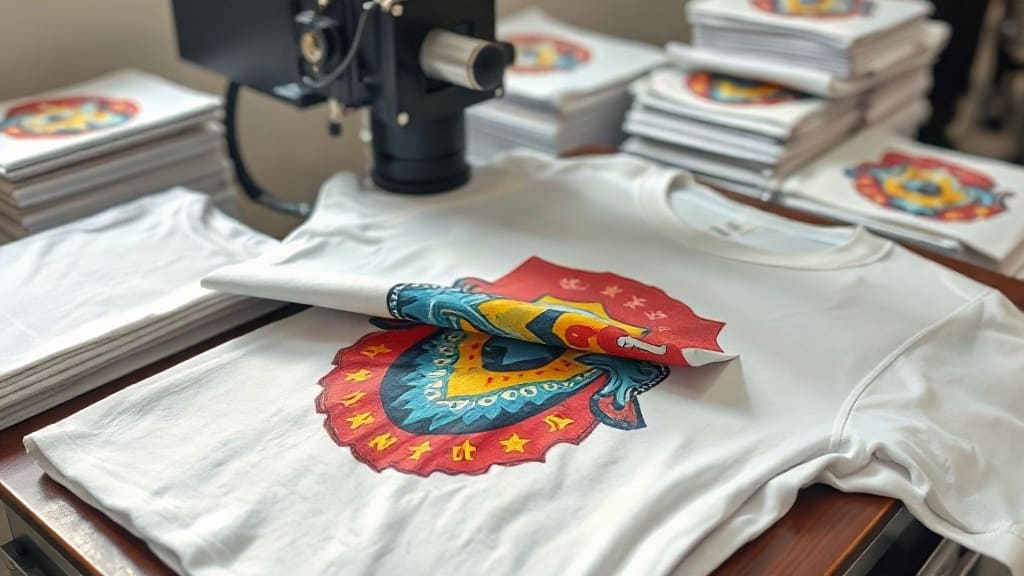
Are you searching for DTF printing services in your area? Whether you're a small business owner looking to produce custom apparel or a crafter wanting to create unique gifts, finding reliable DTF transfers can make all the difference. The good news is that the demand for DTF printing has exploded, so there are likely several providers in your vicinity. But not all are created equal. In this guide, we'll walk you through everything you need to know about locating top-notch DTF transfers near me, what to look for in a provider, and how to ensure you get the best results for your projects.
Understanding DTF Printing and Why It's So Popular
Direct-to-film printing, commonly known as DTF, is a relatively new method in the custom printing industry. It involves printing your design onto a special PET film, applying adhesive powder, and then heat-pressing the film onto fabric. This technique offers several advantages over traditional methods like screen printing or vinyl cutting. You can print full-color designs with incredible detail, and it works on a wide range of fabrics, including cotton, polyester, blends, and even tricky materials like nylon or leather. Plus, the transfer process is straightforward, making it a favorite for both professionals and hobbyists.
The popularity of DTF transfers has skyrocketed because of their versatility and ease of use. You can order a batch of transfers and apply them yourself with a heat press, or you can use a service that does the entire printing for you. This flexibility is a huge draw for many people. But to get the best results, you need to find the right provider. And when you're searching for DTF transfers near me, you want someone who understands the nuances of the process and delivers high-quality products consistently.
How to Search for DTF Transfers Near Me
When you start your search for DTF transfers near me, the internet is your best friend. A simple Google search with that exact phrase will give you a list of local businesses. However, you need to refine your search to ensure you're finding the best options. Start by looking at online reviews on platforms like Google Maps, Yelp, or Facebook. Read what other customers have said about the quality of the transfers, the turnaround time, and the customer service. This can give you valuable insights into the reliability of the provider.
Another useful tactic is to check social media platforms like Instagram. Many small printing businesses showcase their work there. You can see real examples of their prints, which can help you gauge the color accuracy and detail. Additionally, you can ask for recommendations in local business groups on Facebook or community forums. People who have used their services will often share their experiences, both good and bad. This word-of-mouth approach can lead you to hidden gems that might not appear at the top of search results.
What to Look for in a DTF Provider
Once you have a list of potential providers, you need to evaluate them carefully. Not all DTF printers are the same, and their quality can vary significantly. Here are some key factors to consider:
- Experience and Expertise: How long have they been in the business? Experienced providers are more likely to have fine-tuned their processes to avoid common issues like color shifting or poor adhesion.
- Print Quality: Ask for samples or look at their portfolio. Check if the colors are vibrant and accurate, and if the details are sharp. Also, assess the feel of the transfer after it's pressed. It should be soft and not crack or peel easily.
- Film and Ink Quality: Inquire about the type of film and inks they use. High-quality materials are essential for durability. Some providers might cut corners to offer lower prices, but that can lead to transfers that fade or wash out quickly.
- Customization Options: Do they offer a variety of sizes, designs, and quantities? If you have specific needs, such as multiple colors or special effects like puff or glitter, ensure they can handle them.
- Turnaround Time: How long does it take to get your transfers? If you have a deadline, you need a provider who can deliver on time. Some offer rush services for an additional fee.
- Pricing: While price isn't the only factor, it's important to find a balance between cost and quality. Be wary of prices that seem too good to be true, as they often indicate lower-quality products.
The Benefits of Choosing Local DTF Services
Opting for DTF transfers near me has several advantages over ordering from distant online companies. First, you can often communicate directly with the provider, allowing you to discuss your project in detail and clarify any doubts. This personal interaction can lead to better results because you can ensure that the provider understands your requirements perfectly. Additionally, you might have the opportunity to see samples in person before committing to a bulk order.
Another benefit is the potential for faster turnaround times. Local businesses can sometimes offer quicker service because they don't have to factor in shipping time across the country. If you're in a pinch, you might be able to get your transfers within a day or two. Moreover, supporting local businesses helps your community's economy. You're not just getting a product; you're building a relationship with a neighbor who values your business.
But don't think that only local providers are good. Sometimes, the best DTF transfers come from reputable online companies that have built a solid reputation over the years. The key is to weigh your options based on your specific needs. If you have a complex design that requires precise color matching, a specialized online service might be better. However, for most projects, a local provider can deliver excellent results.
How to Ensure Quality in Your DTF Transfers
Even after you've chosen a provider, you need to ensure that the final product meets your expectations. Communication is crucial. Provide clear, high-resolution artwork files. Ideally, use PNG or PDF formats with transparent backgrounds if needed. The more detailed your design, the better the printer can replicate it. Also, specify the exact colors using Pantone codes if accurate color matching is essential. Most printers use CMYK or RGB color modes, but they can match specific Pantone colors with the right equipment.
When you receive your DTF transfers, inspect them carefully. Check for any misprints, color inconsistencies, or missing details. Also, test one transfer on a scrap piece of fabric to ensure the adhesion is strong and the colors look good after pressing. If you notice any issues, contact the provider immediately. A reputable business will be willing to fix problems or offer a refund.
Another aspect to consider is the care of your printed garments. To ensure longevity, advise your customers or yourself on proper washing instructions. Typically, it's best to wash DTF-printed items inside out in cold water and avoid using bleach or fabric softeners. Tumble drying on low heat is acceptable, but air drying is even better. By following these simple steps, your prints will remain vibrant for many washes.
Comparing DTF Transfers to Other Printing Methods
Before you settle on DTF transfers, it's worth comparing them to other popular printing techniques to ensure you're making the right choice for your project. Screen printing is excellent for large orders with simple designs, but it's not cost-effective for small quantities or intricate multicolor prints. Vinyl cutting is great for single-color or layered designs, but it can't handle gradients or photorealistic images. Heat transfer paper is an option, but it often leaves a stiff feel and can crack over time.
DTF stands out because it bridges the gap between these methods. It offers the durability of screen printing with the versatility of digital printing. You can produce small batches economically, making it perfect for on-demand printing or samples. The transfers are also stretchable, which means they work well on activewear or garments that need to move with the wearer. Plus, the process is relatively simple, so even beginners can achieve professional results with a heat press.
However, DTF does have some limitations. It might not be the best choice for extremely delicate fabrics like silk, as the heat and pressure could damage them. Also, for very large designs that cover entire garments, screen printing might still be more efficient. But for most custom apparel needs, DTF is a versatile and reliable option.
Finding the Right Balance: Local vs. Online
In your quest for DTF transfers near me, you might also come across online services that offer excellent deals. Many online companies have streamlined their operations and can offer competitive prices and fast shipping. But there are trade-offs. You can't physically inspect the samples before ordering, and you have to rely on customer reviews and the company's reputation. Also, if there's an issue with your order, dealing with a distant company might be more complicated than visiting a local shop.
On the other hand, local providers might have higher overheads, which could translate to higher prices. They might also have limited production capacity, leading to longer turnaround times during peak seasons. But the ability to build a personal relationship and get immediate assistance is invaluable. You can negotiate prices, request custom adjustments, and even collaborate on future projects.
A balanced approach is to evaluate both options based on your specific needs. If you require a large quantity of transfers with a fast turnaround, an online service that specializes in bulk orders might be more efficient. If you're a small business that needs consistent quality and wants to support local economy, then a local provider is the way to go. The important thing is to do your research, ask the right questions, and make an informed decision.
How to Use DTF Transfers Effectively
Once you have your DTF transfers in hand, you need to know how to apply them correctly. This skill is essential to ensure the quality of the final product. The process involves using a heat press set to the recommended temperature and pressure. Typically, you'll press at around 320°F (160°C) for 10-15 seconds, but always follow the specific instructions from your provider because the settings can vary based on the film and powder used.
Start by pre-pressing your garment for a few seconds to remove any moisture and wrinkles. Then, place the transfer on the desired position with the film side up. Apply firm and even pressure with the heat press. After pressing, you need to peel the film. There are two methods: hot peel or cold peel. Hot peel means removing the film immediately after pressing, while cold peel requires waiting for the transfer to cool down. Your provider should specify which method is suitable for their product.
After peeling, you might need to do a second press to ensure the adhesive is fully cured. Some providers recommend covering the printed area with a Teflon sheet or parchment paper and pressing again for a few seconds. This step can enhance the durability and smoothness of the transfer. Once done, allow the garment to cool completely before wearing or packaging.
One common mistake is using too much pressure, which can cause the design to bleed or smear. Too little pressure, on the other hand, can lead to poor adhesion. It's also crucial to keep the heat press temperature accurate. Invest in a good quality heat press with precise temperature control. If you're new to DTF, practice on old shirts or scrap fabric to get a feel for the process before moving to your actual products.
Potential Pitfalls and How to Avoid Them
Even with a reputable provider, issues can arise. Some common problems with DTF transfers include cracking, peeling, or fading after a few washes. This often happens if the transfer wasn't applied correctly or if the materials used are of low quality. To avoid these problems, ensure that you're using the right heat press settings and that you're following the recommended washing instructions.
Another pitfall is color mismatch. What you see on your computer screen might not be exactly what you get in the print. This can be due to differences in color calibration. To minimize this, work with a provider who uses ICC profiles and can proof your design before bulk production. Also, when you send your artwork, clearly specify if you need Pantone color matching.
Additionally, be wary of counterfeit or subpar DTF films and powders. Some providers might use cheap materials that don't adhere well or produce a stiff print. Always ask about the brand of materials they use. Reputable brands like DTF Superstore or Printed.com are known for their quality. If a provider is secretive about their materials, that could be a red flag.
Making Your Search Easier: Online Directories and Reviews
To streamline your search for DTF transfers near me, utilize online directories and review sites. Websites like Yelp and Google Maps allow you to filter results by location and rating. Read both positive and negative reviews to get a balanced view. Pay attention to how companies respond to negative feedback. A professional response to a complaint shows that they care about customer satisfaction.
Another resource is industry-specific forums and Facebook groups. There are many communities dedicated to DTF printing where members share their experiences and recommend trusted suppliers. You can ask for local recommendations in these groups and get firsthand advice from people who have used the services you're considering.
Don't forget to check if the provider has a physical store or workshop. Visiting in person can give you a sense of their professionalism and capabilities. You can see their equipment and even request a live demo of their process. This transparency is often a good indicator of quality.
Cost Considerations and Getting the Best Value
Price is a significant factor when ordering DTF transfers. The cost typically depends on the size of the design, the quantity, and the complexity of the artwork. To get the best value, it's essential to get quotes from multiple providers. Compare not only the price per transfer but also any setup fees, shipping costs, or minimum order quantities. Some providers offer discounts for bulk orders, so if you have a large project, don't hesitate to negotiate.
However, don't compromise quality for a lower price. A cheap transfer that fails after a few washes will cost you more in the long run, especially if you're selling the products. Consider the total cost of ownership, including the time you spend on re-orders or replacements. Instead, look for providers who offer a balance of competitive pricing and high-quality materials. You might also ask for a sample pack before committing to a large order. Many providers offer samples at a nominal cost, which is an excellent investment to evaluate their workmanship.
Also, think about the long-term benefits of building a relationship with a reliable provider. If you consistently order from someone who delivers excellent results, you might get preferential pricing or faster service in the future. Loyalty can pay off in ways beyond just the initial transaction.
Conclusion
Finding top-notch DTF transfers near me doesn't have to be a daunting task. By understanding what makes a good provider, knowing how to search effectively, and being mindful of the technical aspects, you can ensure that your custom printing projects turn out beautifully. Remember to research thoroughly, ask questions, and test samples before making a commitment. With the right approach, you'll discover a local service that meets your needs and helps you bring your creative visions to life. So go ahead, start your search, and enjoy the amazing possibilities that DTF printing offers.
Frequently Asked Questions
How do I find the best DTF transfers near me?
To find the best DTF transfers near me, start by searching online and reading reviews. Use platforms like Google Maps and Yelp to see ratings and customer feedback. Additionally, check social media pages of local printing businesses to view their work. You can also ask for recommendations in local business groups or community forums. It's essential to evaluate providers based on their print quality, turnaround time, and customer service.
What is the average turnaround time for DTF transfers from a local provider?
The turnaround time for DTF transfers varies depending on the provider and the volume of your order. Typically, a local provider can complete your order within 2 to 5 business days. Some may offer rush services for an additional fee if you need your transfers sooner. It's best to ask upfront about their production time and any expedited options available.
Can I use DTF transfers on any type of fabric?
DTF transfers are incredibly versatile and can be applied to most fabrics, including cotton, polyester, blends, and even materials like rayon or denim. They work well on both light and dark-colored garments because they include a white underbase. However, they may not be suitable for very delicate fabrics that cannot withstand the heat and pressure of a heat press, such as silk or satin. Always test on a small area if you're unsure.
How should I care for garments with DTF transfers?
To ensure the longevity of your DTF printed garments, wash them inside out in cold water and avoid using bleach or fabric softeners. Tumble drying on low heat is acceptable, but air drying is gentler on the print. It's also recommended to iron inside out or use a cover cloth to avoid direct heat on the design. Following these care instructions will keep your prints looking vibrant for many washes.
What makes DTF transfers better than other printing methods?
DTF transfers offer several advantages over other methods like screen printing or vinyl. They allow for full-color printing with high detail, are cost-effective for small orders, and work well on a variety of fabrics, including stretchy materials. Unlike screen printing, DTF doesn't require setup for each color, making it faster for complex designs. And compared to vinyl, DTF provides a softer feel and better durability.