
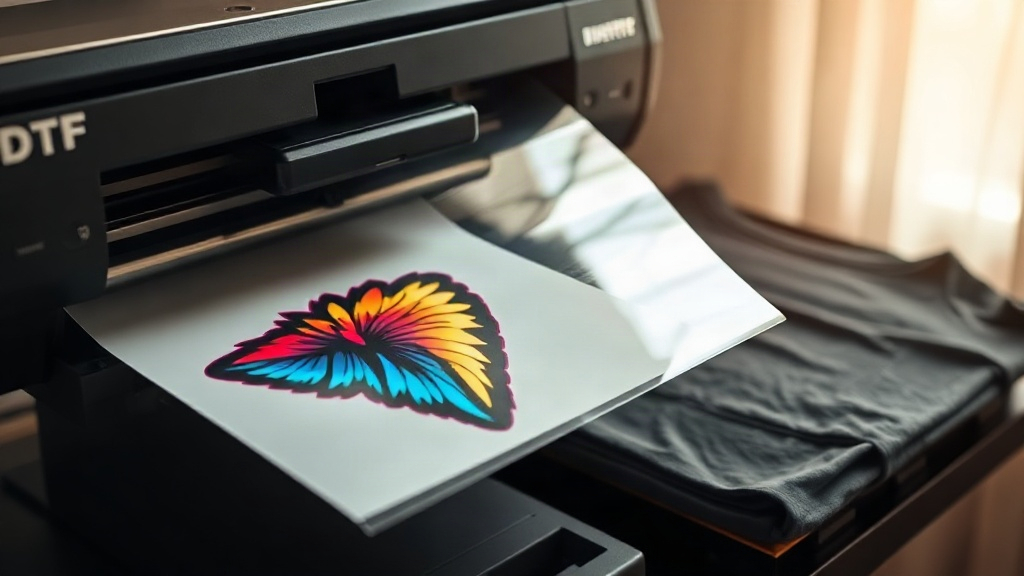
If you've been exploring custom apparel decoration, you've likely encountered DTF printing. Short for Direct-to-Film, this method has quickly become a favorite among small business owners, crafters, and DIY enthusiasts. Unlike traditional techniques that require specialized equipment or messy setups, DTF offers a versatile, accessible way to transfer vibrant designs onto a wide range of fabrics. In this guide, I'll walk you through everything you need to know to get started, sharing insights from my own experience with DTF printing.
What is DTF Printing?
DTF printing is a digital printing process where your design is printed onto a special film, coated with a powdered adhesive, and then heat-pressed onto the fabric. The magic lies in the adhesive powder, which melts and bonds the ink to the material, creating a durable, stretchable print. Because the design sits on top of the fabric rather than being dyed into it, DTF works on almost any fabric, including cotton, polyester, blends, and even nylon. This versatility sets it apart from methods like DTG (Direct-to-Garment) or sublimation, which have limitations on fabric types.
How Does the DTF Process Work?
The DTF process can be broken down into four main steps: printing, powdering, curing, and pressing. Let's dive into each.
Step 1: Printing the Design
First, you'll need a DTF printer equipped with pigment inks (usually CMYK plus white). The design is printed onto a PET film in mirror image. The white ink layer is crucial because it acts as an opaque base, allowing the colors to pop on dark fabrics. Without it, your design would appear dull or translucent. I recommend using high-quality film to prevent ink smudging and ensure smooth release.
Step 2: Applying Adhesive Powder
While the ink is still wet, you sprinkle a thermoplastic adhesive powder over the printed film. Gently shake off the excess, leaving a thin, even layer. This powder will later melt and bond the design to the fabric. It's important to work in a dust-free environment to avoid contaminants. A simple shaker bottle works wonders for even distribution.
Step 3: Curing the Powder
Next, you need to melt the powder. This is typically done using a heat press or a specialized curing oven. The film is heated to around 160-170°C (320-340°F) for a short time until the powder turns glossy. Overheating can cause the film to warp, so keep an eye on it. Once cured, the transfer can be stored for later use or pressed immediately.
Step 4: Heat Pressing onto Fabric
Finally, place the cured transfer onto your garment and press it with a heat press at 160-170°C for 10-15 seconds with medium pressure. After pressing, wait for it to cool completely before peeling off the film. You can choose between hot peel and cold peel films; each has its own feel. Cold peel generally gives a smoother finish, while hot peel saves time. I prefer cold peel for detailed designs because it reduces the risk of stretching.
Why Choose DTF Printing?
There are several reasons why DTF printing has gained such a loyal following. Let's compare it to other popular methods.
Versatility Across Fabrics
Unlike DTG, which works best on 100% cotton, DTF adheres to nearly any fabric. This means you can print on polyester, blends, leather, and even treated nylon. For those who work with a variety of materials, this flexibility is a game-changer.
No Pre-Treatment Required
With DTG, you often need to pre-treat the garment with a liquid solution to help the ink bond. DTF eliminates this step entirely, saving time and reducing chemical use. This makes it more environmentally friendly and simpler for beginners.
Cost-Effective for Small Batches
Screen printing requires separate screens for each color, making short runs expensive. DTF allows you to print full-color designs without any setup costs, ideal for custom orders or one-off pieces.
Durability and Stretch
When done correctly, DTF prints are highly durable. They withstand repeated washing without cracking or fading. The stretchability of the adhesive makes them perfect for activewear and stretchy fabrics.
Common Challenges and How to Overcome Them
Like any craft, DTF printing has its quirks. Here are some issues I've encountered and how to fix them.
Ink Smudging During Printing
If your prints come out smeared, check your printer settings. Ensure the ink density is appropriate for the film. Also, maintain a stable humidity level (around 50-60%) to prevent the ink from drying too quickly or spreading.
Powder Not Sticking
This usually happens if the ink is too dry before powdering. Work quickly after printing, or adjust your printer's ink output. Using a humidifier can also help.
Peeling Issues After Pressing
If the film doesn't peel cleanly, it might be due to insufficient pressure, incorrect temperature, or premature peeling. Always follow the film manufacturer's instructions. For cold peel, let the transfer cool completely; for hot peel, peel immediately.
Tips for Stunning DTF Results
- Test your settings: Every printer and film combination behaves differently. Run test prints to dial in temperature, pressure, and time.
- Use quality supplies: Cheaper films and powders can lead to inconsistent results. Invest in reputable brands.
- Store transfers properly: Keep unused transfers in a cool, dry place away from direct sunlight to prevent premature curing.
- Master the peel: Practice peeling techniques on scrap fabric to avoid damaging your final product.
- Clean your equipment: Regular maintenance of your printer and heat press ensures consistent quality.
Frequently Asked Questions
How long do DTF prints last?
With proper care, DTF prints can last 50+ washes without significant fading or cracking. Turn garments inside out and wash in cold water to extend longevity.
Can I use DTF on dark shirts?
Absolutely! The white ink layer in DTF printing provides an opaque base, so colors remain vibrant on dark fabrics. Just ensure your printer has white ink capabilities.
Do I need a special printer for DTF?
Yes, you need a dedicated DTF printer or a converted inkjet printer that uses DTF pigment inks. Standard printers won't work because they lack white ink and the necessary film handling.
Is DTF printing profitable for small businesses?
Definitely. The low setup costs and ability to handle small batches make DTF a profitable venture. Many entrepreneurs start with a single printer and expand as demand grows.
What fabrics are not suitable for DTF?
While DTF works on most fabrics, it may not adhere well to highly textured or waterproof materials. Always test on a small area first.