
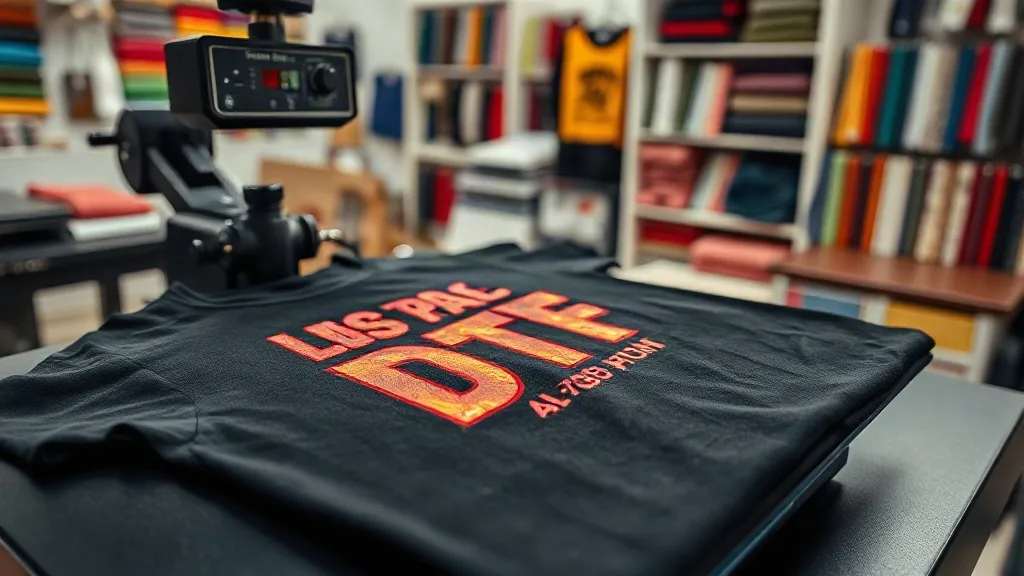
If you've been exploring custom apparel printing, you've likely encountered dtf transfers. This innovative technology has quickly become a favorite among hobbyists and professionals alike, offering vibrant colors and durability that rival traditional methods. In this guide, we'll break down everything you need to know about DTF printing, from the basics to pro tips, so you can achieve stunning results on your first try.
What Are DTF Transfers?
DTF stands for Direct-to-Film. It's a printing method where your design is printed onto a special film, then coated with a adhesive powder and heat-pressed onto fabric. Unlike DTG (Direct-to-Garment) printing, which requires specialized equipment and pre-treatment, DTF transfers are incredibly versatile and work on almost any fabric, including cotton, polyester, blends, and even dark colors. The process involves creating a digital print on film, applying a thermoplastic polyurethane (TPU) powder, and then transferring it to the garment using a heat press.
Why Choose DTF Transfers?
There are several compelling reasons why dtf transfers have gained massive popularity:
- Versatility: Works on a wide range of materials, including cotton, polyester, nylon, and more. No need for special pre-treatment or garment restrictions.
- Vibrant Colors: DTF prints produce bright, detailed designs with excellent color accuracy, even on dark fabrics.
- Durability: When applied correctly, DTF transfers withstand repeated washing without cracking, fading, or peeling.
- Cost-Effective: No minimum order quantities and low setup costs make DTF ideal for small businesses and one-off projects.
- Speed: The process is fast, allowing for quick turnaround times and efficient production.
How to Apply DTF Transfers
Applying DTF transfers is straightforward, but following the correct steps ensures a professional finish. Here's a step-by-step guide:
- Preheat Your Heat Press: Set your press to the recommended temperature (usually around 300°F to 320°F or 150°C to 160°C).
- Pre-Press the Garment: Briefly press the garment to remove moisture and wrinkles. This helps the transfer adhere properly.
- Place the Transfer: Position the DTF transfer on the garment with the printed side facing up.
- Press: Apply medium to firm pressure for 10-15 seconds. Use a Teflon sheet or parchment paper to protect the design.
- Peel: Wait a few seconds for the transfer to cool slightly, then peel the film off in a smooth, consistent motion. For a matte finish, peel while hot; for a glossy finish, peel when cold.
- Post-Press: Cover the design with parchment paper and press again for 5-10 seconds to ensure the transfer is fully embedded into the fabric.
Common Mistakes to Avoid
Even with a simple process, some pitfalls can affect the quality of your DTF transfers. Watch out for these common mistakes:
- Insufficient Pressure: Too little pressure results in poor adhesion and reduced durability. Always use medium to firm pressure.
- Wrong Temperature: Too hot can scorch the fabric or melt the transfer; too cold leads to peeling. Use a heat gun or infrared thermometer to verify your press temperature.
- Not Pre-Pressing: Skipping pre-pressing can trap moisture, causing bubbles or poor adhesion.
- Peeling Too Soon or Too Late: Follow the recommended peeling method for your desired finish. Peeling too early can stretch the design; too late can make it difficult to remove the film.
- Ignoring Fabric Type: While DTF works on many fabrics, some (like nylon) may require lower temperatures. Always test on a scrap piece first.
Finding Quality DTF Transfers
When searching for dtf transfers near me, you'll want to ensure you're getting high-quality products. Look for suppliers that use premium inks and films, offer clear instructions, and provide good customer support. Online reviews and samples can help you gauge quality before committing to a larger order. Many suppliers also offer custom printing services, allowing you to upload your designs and receive ready-to-press transfers.
DTF vs. Other Printing Methods
How does DTF stack up against other popular printing techniques? Here's a quick comparison:
- DTF vs. DTG: DTF is more versatile with fabrics and doesn't require pre-treatment, while DTG is limited to cotton and often requires a specialized printer.
- DTF vs. Screen Printing: Screen printing is cost-effective for large orders but has high setup costs and is impractical for small batches. DTF excels in short runs and complex designs.
- DTF vs. Vinyl: Vinyl is great for simple designs but struggles with intricate details and gradients. DTF handles full-color images with ease.
- DTF vs. Sublimation: Sublimation only works on light-colored polyester, while DTF works on dark colors and various materials.
Tips for Long-Lasting Prints
To ensure your DTF transfers stand the test of time, follow these care tips:
- Wash garments inside out in cold water.
- Avoid using bleach or harsh detergents.
- Tumble dry on low or hang dry.
- Do not iron directly on the printed area; use a cloth or parchment paper as a barrier.
- Wait at least 24 hours after pressing before washing.
Frequently Asked Questions
What fabrics work best with DTF transfers?
DTF transfers adhere well to cotton, polyester, blends, and even nylon. They are particularly effective on dark colors where other methods might struggle.
How long do DTF transfers last?
With proper application and care, DTF transfers can last as long as the garment itself. Expect 50+ washes without significant fading or cracking.
Can I use DTF transfers on items other than t-shirts?
Absolutely! DTF transfers work on hoodies, bags, hats, aprons, and more. Just ensure the item can withstand the heat press temperature.
Do I need a special printer for DTF?
Yes, DTF printing requires a DTF printer and specialized film and powder. However, you can purchase pre-printed transfers from suppliers if you don't want to invest in equipment.
How do I store unused DTF transfers?
Store them in a cool, dry place away from direct sunlight. Keep them flat to prevent creasing. Properly stored transfers can last for months.
DTF transfers have opened up a world of possibilities for custom apparel decoration. Whether you're a small business owner or a DIY enthusiast, this technology offers professional results without the steep learning curve. With the right supplies and techniques, you'll be creating stunning, durable prints in no time.