
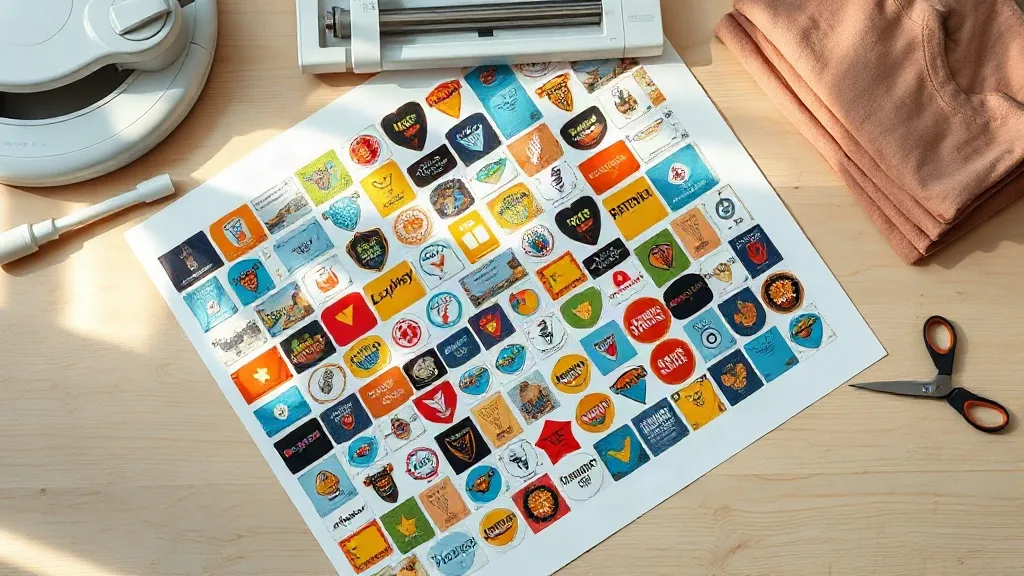
Most shops order their first DTF Gangsheet because someone told them it was cheaper than buying transfers one at a time. That part is true. What nobody explains is that the sheet itself is only half the equation. The other half is how you fill it, and that is where the real money sits.
I have spent enough hours on gangsheet layouts to know the difference between a sheet that costs $1.20 per print and one that quietly runs closer to $2.40 for the same artwork. Nothing changed about the ink or the film. The layout changed. Here is what actually moves the number.
What a Gangsheet Actually Is
A gangsheet is a single large film that holds many separate designs, printed together in one pass and shipped as one unit. Instead of paying a setup and print charge for each small job, you pay for the sheet by length or by area, then cut the designs apart yourself after they arrive.
The appeal is obvious for anyone running short runs. A boutique printing twelve shirt designs at six pieces each does not want twelve separate orders. Four gangsheets cover the whole drop, arrive together, and get pressed in a single afternoon.
How the Pricing Model Works
Most suppliers price by the inch of length across a fixed roll width, often 22 or 24 inches. A 12 inch by 22 inch sheet and a 36 inch by 22 inch sheet cost differently because they consume different amounts of film and powder. Your job is to maximize printed area per inch of length.
That single sentence explains almost every layout decision that follows. Empty space on a gangsheet is not free. You already paid for it.
The Layout Mistakes That Cost the Most
After reviewing hundreds of submitted files, a handful of habits show up again and again in sheets that come back underfilled.
1. Leaving Wide Gaps Between Designs
Cutting requires a margin, but not a generous one. A quarter inch gutter is usually plenty for clean trimming. Half inch gaps across twenty designs on a long sheet add up to inches of paid film holding nothing at all.
2. Ignoring Rotation
Small logos and left chest prints are often wider than they are tall. Rotating them 90 degrees can let you nest rows more tightly against the roll edge. It takes two minutes in your design software and can recover several inches of usable length.
3. Scaling Artwork Before Checking the Print Size
If a design will print at 10 inches wide, build it at 10 inches wide. Uploading a 14 inch file and asking the supplier to shrink it wastes their time and sometimes your money, since some shops charge by the file footprint rather than the final print size.
4. Forgetting the White Ink Layer
DTF transfers carry a white underbase so colors stay vivid on dark garments. That underbase is part of the printed area, and it is part of what you pay for. Designs with heavy fine detail and dense white coverage cost more to produce than flat color blocks of the same size. Knowing this helps you price your own products honestly.
When a Gangsheet Beats Individual Transfers
Gangsheets win in a specific situation: multiple designs, moderate quantities, one delivery date. If you are producing a capsule collection, filling an online store drop, or stocking a market stall with variety, the format is close to ideal.
They lose when your order is a single large design at high volume. At that point a dedicated roll print or a bulk transfer order usually comes out ahead, because you are not paying to arrange dozens of small pieces around one big one.
- Good fit: 8 to 30 designs, 5 to 50 pieces each, mixed sizes
- Good fit: seasonal drops where you need variety fast
- Poor fit: one design, 200 pieces, single size
- Poor fit: anything with a hard deadline under 48 hours if you have not tested the supplier yet
Preparing Files So Nothing Gets Rejected
Rejections are the hidden cost nobody budgets for. A file comes back, the order slips a week, and the launch date moves. These checks prevent most of it.
- Set your document at the exact sheet dimensions your supplier sells, at 300 DPI.
- Convert all text to outlines so fonts cannot substitute.
- Flatten transparency. Semi transparent edges print unpredictably on DTF film.
- Keep a clear margin from the sheet edge, usually around 0.25 inches.
- Place a visible gutter between every design so trimming is fast and clean.
- Name the file with your order number and sheet count.
None of this is glamorous. All of it saves reprints.
Pressing and Storing What Arrives
A gangsheet arrives as one large film, which means you own the cutting step. A rotary trimmer or a sharp pair of scissors and a straight edge handle most jobs. Cut with a small border rather than flush to the artwork, because trimming into the print damages the edge and shows on the garment.
Store cut transfers flat, artwork side up, in a cool dry place away from direct sunlight. Stacking them print to print can transfer powder residue. A simple manila folder per design keeps a large order organized and makes pressing day far less chaotic.
When pressing, follow your supplier's temperature and time recommendations rather than a generic number from a forum. Film carriers vary, and peeling too early or too late is the most common cause of a transfer that looks fine in the shop and fails after three washes.
A Quick Sanity Check Before You Order
Before you upload, calculate the printed area of your designs and divide it by the total sheet area. Anything under roughly 65 percent coverage means you are paying for a lot of empty film. Rearranging, rotating, or waiting to combine with next week's order often fixes it.
That habit alone has saved more margin in my experience than switching suppliers ever has. The sheet is a container. Fill it deliberately and the per piece cost drops on its own.
Frequently Asked Questions
How many designs fit on one DTF gangsheet?
It depends entirely on design size and sheet length. A 22 by 12 inch sheet might hold six to ten small left chest logos or two large back prints. A 22 by 60 inch sheet can hold thirty or more small designs. Measure your artwork footprint first, then choose the sheet length that fits it with minimal leftover space.
Can I mix different design sizes on the same sheet?
Yes, and you should. Mixed sizing is where gangsheets earn their keep, since small pieces fill the gaps around larger ones. Just keep consistent gutters between every element so cutting stays predictable.
Do gangsheets work on dark and light garments?
Yes. DTF transfers include a white underbase, so the same sheet works across both. Colors stay consistent on black, navy, or white shirts without ordering separate transfer types.
How long can I store unused transfers?
Stored flat, dry, and out of sunlight, most transfers stay usable for several months. Humidity is the main enemy, so avoid garages and damp basements. If the film feels tacky or the powder looks clumped, test one piece before running a full production batch.
Is it cheaper to order one long sheet or several short ones?
Usually one longer sheet, because you pay one production run and one shipment. The exception is when a long sheet forces you to leave large empty areas. Compare cost per square inch of printed artwork, not cost per sheet, and the answer becomes clear.