
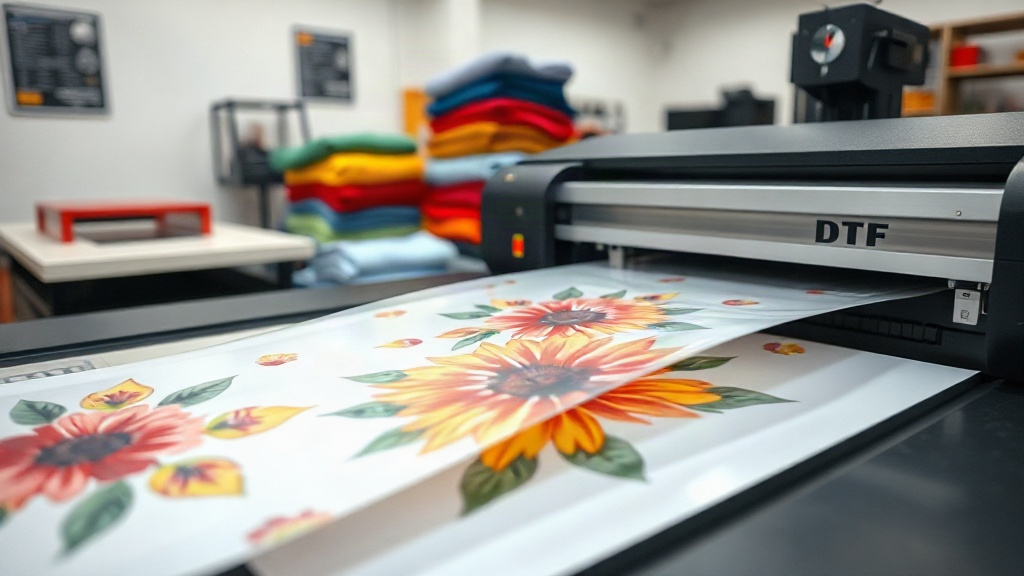
If you've been searching for a way to create vibrant, detailed designs on t-shirts, hoodies, and more without the hassle of traditional methods, DTF printing might be the answer. This technology has taken the custom apparel world by storm, offering unparalleled color vibrancy and durability. In this guide, we'll dive deep into what DTF printing is, how it works, and why it could be your go-to solution for custom garments.
What is DTF Printing?
DTF stands for Direct to Film. It's a printing method where your design is printed onto a special film, coated with adhesive powder, and then heat-pressed onto fabric. Unlike DTG (Direct to Garment) or screen printing, DTF doesn't require pre-treatment of the fabric or specialized equipment beyond a printer and a heat press. This makes it accessible for small businesses, hobbyists, and even large-scale operations.
The DTF Process Step by Step
- Design Preparation: Create your artwork in a graphics program, ensuring it's mirrored and sized appropriately.
- Printing: Use a DTF printer with specialized inks to print onto a PET film. White ink is often used as a base to make colors pop on dark fabrics.
- Powdering: While the ink is still wet, apply a hot-melt adhesive powder evenly over the print.
- Curing: Melt the powder using a heat source (like a heat press or oven) until it becomes glossy.
- Transfer: Place the film onto your fabric and heat press it. The adhesive bonds the design to the fabric.
- Peel: Once cooled, peel away the film to reveal your vibrant design.
Why Choose DTF Printing?
There are several reasons why DTF printing has become a favorite among apparel decorators. Let's explore the key benefits.
1. Unmatched Color Vibrancy and Detail
DTF printers can produce incredibly detailed designs with gradients, fine lines, and photorealistic images. The white ink base ensures that colors remain bright even on dark garments, something that DTG struggles with unless pretreated.
2. Versatility Across Fabrics
Unlike DTG, which works best on 100% cotton, DTF adheres well to a wide range of materials, including cotton, polyester, blends, and even leather. This opens up possibilities for decorating various items like tote bags, caps, and more.
3. Durability and Washability
When properly applied, DTF prints are highly durable. They resist cracking, peeling, and fading even after multiple washes. This makes them ideal for items that will see frequent use.
4. Cost-Effective for Small Batches
Screen printing requires separate screens for each color, making short runs expensive. DTF eliminates that, allowing you to print one-off designs or small batches without breaking the bank.
5. No Weeding or Cutting Required
With vinyl printing, you have to weed out excess material, which is time-consuming. DTF eliminates that step entirely, streamlining your workflow.
DTF vs. Other Printing Methods
How does DTF stack up against other popular techniques? Here's a quick comparison.
- DTF vs. DTG: DTG requires pretreatment and works best on cotton. DTF is more versatile and often more vibrant.
- DTF vs. Screen Printing: Screen printing is cost-effective for large orders but expensive for small ones. DTF is better for short runs and complex designs.
- DTF vs. Vinyl: Vinyl is limited to simple designs and requires weeding. DTF handles intricate details with ease.
Getting Started with DTF Printing
Ready to dive into DTF printing? Here's what you need to know.
Essential Equipment
- A DTF printer (e.g., Epson converted models or dedicated DTF printers).
- DTF inks (CMYK plus white).
- PET film (usually 75-100 microns).
- Hot-melt adhesive powder.
- Heat press.
- Curing oven or heat gun (optional but recommended).
Choosing the Right Supplies
Not all DTF supplies are created equal. Invest in high-quality inks and film to ensure vibrant, durable prints. The powder should be fine and evenly applied. Many suppliers offer starter kits that include everything you need.
Tips for Perfect DTF Transfers
- Always mirror your design before printing.
- Ensure the film is clean and lint-free.
- Apply powder evenly; excess can cause a rough texture.
- Cure the powder until it's completely melted (usually at 160-170°C for 2-3 minutes).
- Use consistent pressure and temperature during heat pressing (typically 160°C for 15-20 seconds).
- Test on a scrap fabric first to dial in your settings.
Common DTF Printing Mistakes to Avoid
Even seasoned pros can slip up. Here are pitfalls to watch for.
- Insufficient powder: Leads to poor adhesion and early peeling.
- Over-curing: Can cause the adhesive to become brittle and crack.
- Wrong pressure: Too little pressure means the design won't bond; too much can cause ink to spread.
- Ignoring fabric type: While DTF is versatile, some fabrics like nylon require lower temperatures.
Applications of DTF Printing
DTF printing isn't just for t-shirts. It's used for:
- Sportswear and team uniforms
- Fashion apparel with intricate patterns
- Promotional items like bags and caps
- Home textiles such as pillowcases and blankets
Frequently Asked Questions
How long do DTF prints last?
With proper application and care, DTF prints can last as long as the garment itself. They withstand dozens of washes without fading or cracking.
Can I use DTF on dark colors?
Absolutely! DTF excels on dark fabrics because the white ink base makes colors pop. Just ensure you use enough white ink for opacity.
What's the difference between DTF and DTG?
DTF transfers a printed film onto the fabric, while DTG prints directly onto the garment. DTF is more versatile and often more durable, but DTG can be faster for single items on cotton.
Do I need a special printer for DTF?
Yes, you need a printer that uses DTF inks and is capable of printing on film. Many people convert Epson printers for this purpose, but dedicated DTF printers are also available.
Is DTF printing cost-effective?
For small to medium batches, DTF is very cost-effective compared to screen printing. The lack of screens and minimal setup make it ideal for custom orders.
With its versatility, durability, and stunning results, DTF printing is a game-changer for anyone in the custom apparel business. Whether you're a hobbyist or a commercial printer, mastering DTF can open up new creative and profitable opportunities.