
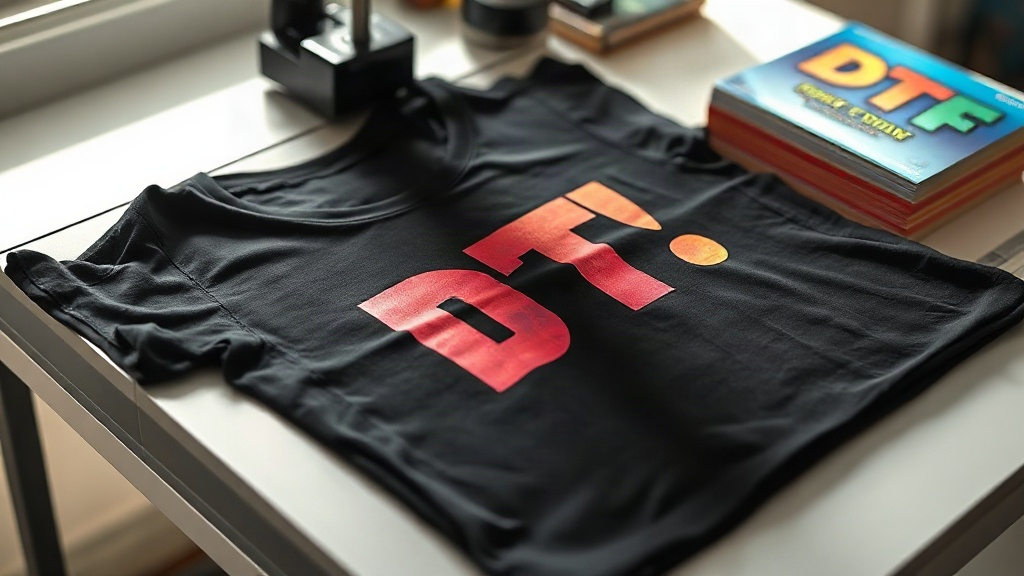
If you've been exploring custom apparel printing, you've likely encountered DTF Transfers. This technology has rapidly gained popularity among crafters and professionals alike for its versatility and vibrant results. Unlike traditional methods that require specific fabrics or extensive setup, DTF transfers offer a straightforward way to add colorful, detailed designs to a wide range of materials. In this guide, I'll walk you through everything you need to know to get started, from understanding the basics to applying transfers like a pro.
What Are DTF Transfers?
DTF stands for Direct to Film. The process involves printing your design onto a special film using pigment-based inks, then applying a powder adhesive while the ink is still wet. After curing, the transfer is ready to be heat-pressed onto fabric. The adhesive melts and bonds the ink to the material, creating a durable, stretchable print. Because the design sits on top of the fabric rather than being dyed into it, DTF transfers can produce bright, opaque colors even on dark garments.
How DTF Differs from DTG and Screen Printing
Direct-to-garment (DTG) printing requires pre-treatment and works best on 100% cotton. Screen printing involves creating a separate screen for each color, which can be costly for small batches. DTF transfers, on the other hand, eliminate these constraints. You can print on cotton, polyester, blends, and even some non-fabric surfaces. There's no need for pre-treatment, and the same transfer can be applied to multiple items, making it ideal for small businesses or personal projects.
Why Choose DTF Transfers?
There are several compelling reasons to consider DTF for your next project:
- Versatility: Works on a wide range of fabrics, including dark and light colors.
- Durability: Prints resist cracking, peeling, and fading when applied correctly.
- Detail: High-resolution prints capture fine lines, gradients, and photographic images.
- Cost-effective: No minimum order quantity; you can print one or many.
- Speed: Once you have a printer and heat press, you can produce transfers on demand.
These benefits make DTF a go-to choice for custom t-shirts, tote bags, and even promotional items.
Step-by-Step Guide to Applying DTF Transfers
Getting a perfect application requires attention to a few key details. Follow these steps for best results.
1. Prepare Your Workspace and Materials
You'll need a heat press, the DTF transfer, the garment, and a protective sheet (like parchment paper or a Teflon sheet). Ensure your heat press is stable and reaches the required temperature. A infrared thermometer can help verify the actual platen temperature.
2. Preheat the Garment
Preheat the garment for a few seconds to remove moisture and wrinkles. This step also helps the transfer adhere evenly. Set your heat press to the recommended temperature, typically around 300°F to 340°F (150°C to 170°C), depending on the film and adhesive.
3. Position the Transfer
Place the DTF transfer onto the garment with the printed side facing up. If your transfer has a clear carrier film, the design should be readable. Use heat-resistant tape to secure it if needed.
4. Press the Transfer
Apply medium to firm pressure for 10 to 20 seconds. The exact time depends on your press and the transfer specifications. Avoid over-pressing, which can cause the adhesive to spread and dull the colors.
5. Peel the Carrier Film
Wait for the transfer to cool completely before peeling. This is a cold peel process. Slowly remove the film from one corner. If any part of the design lifts, lay the film back down and press again for a few seconds.
6. Post-Press for Durability
For added wash resistance, cover the design with a protective sheet and press again for 5 to 10 seconds. This step helps the adhesive fully cure and bond with the fabric.
Common Mistakes to Avoid
Even with a straightforward process, a few pitfalls can ruin your results. Here are the most common ones:
- Incorrect temperature: Too low and the adhesive won't melt; too high and the film may scorch.
- Insufficient pressure: Leads to poor adhesion and early peeling.
- Peeling while hot: Always wait for the transfer to cool; otherwise, the design may stretch or tear.
- Not preheating: Moisture in the fabric can cause steam pockets and uneven adhesion.
- Using the wrong film: Ensure your transfer is compatible with your fabric type (e.g., stretchy fabrics may require a specific adhesive).
By avoiding these mistakes, you'll achieve professional-quality results consistently.
Tips for Long-Lasting Prints
To ensure your DTF transfers withstand repeated washing and wear, follow these care instructions:
- Wash the garment inside out in cold water.
- Avoid using bleach or fabric softeners.
- Tumble dry on low heat or hang to dry.
- Iron on the reverse side or use a pressing cloth if needed.
With proper care, your prints can last as long as the garment itself.
Frequently Asked Questions
Can I use DTF transfers on 100% polyester?
Yes, DTF transfers work well on polyester. However, polyester is sensitive to high temperatures, so you may need to lower the press temperature to around 280°F to 300°F and test on a scrap piece first to avoid scorching.
How do I store unused DTF transfers?
Store them in a cool, dry place away from direct sunlight. Keep them flat to prevent curling. Avoid stacking heavy objects on top, as pressure can activate the adhesive prematurely.
What's the difference between hot peel and cold peel DTF transfers?
Hot peel transfers are designed to be peeled immediately after pressing while still hot. Cold peel transfers, which are more common, require you to wait until the transfer cools completely before peeling. Always check the instructions provided with your transfers.
Can I layer DTF transfers?
Yes, you can layer multiple transfers to create multi-color designs. Press each layer for a few seconds to set it, then apply the next layer. For best results, use a heat press for even pressure and temperature.
Do I need a special printer for DTF transfers?
Yes, DTF printing requires a dedicated DTF printer that uses pigment inks and a film feeding system. Alternatively, you can purchase pre-printed transfers from a supplier if you don't want to invest in the equipment.
DTF transfers have opened up new possibilities for custom apparel. With the right tools and techniques, you can achieve vibrant, durable prints on almost any fabric. Whether you're a hobbyist or a business owner, mastering DTF can elevate your creations. So gather your materials, follow the steps, and start experimenting. The results might just surprise you.