
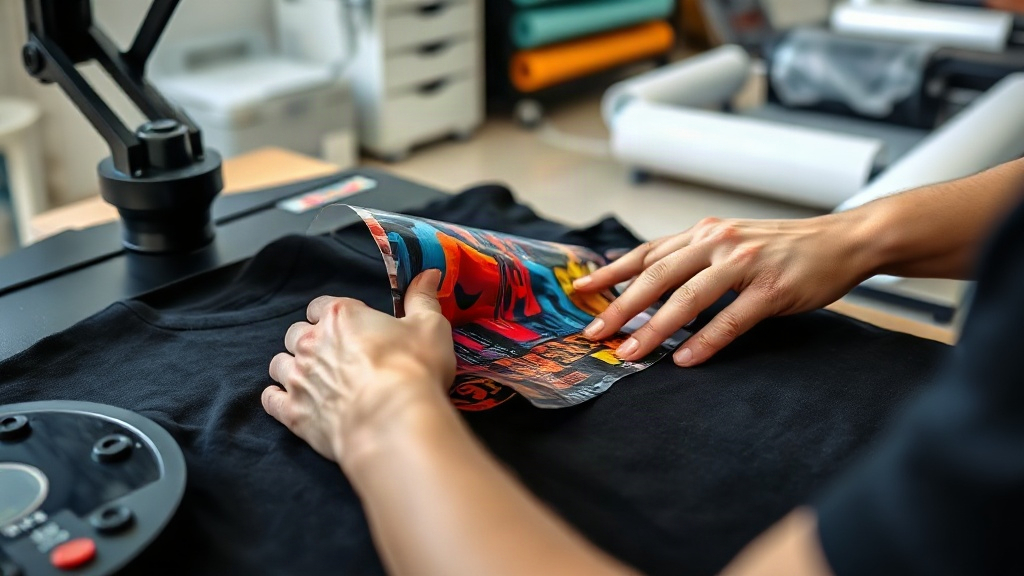
If you have ever tried to print a detailed, multi-colored design on a dark cotton t-shirt at home, you know the struggle. Vinyl peeling, ink bleeding, and cracked results are common. That is exactly why DTF Transfers have taken the custom apparel world by storm. Whether you are a small business owner, a hobbyist, or a professional printer, understanding DTF transfers can open up a new world of possibilities for garment decoration.
What Are DTF Transfers?
DTF stands for Direct to Film. Unlike DTG (Direct to Garment) printing, which prints directly onto the fabric, DTF printing involves printing your design onto a special PET film. The design is printed with water-based inks, then a thermoplastic polyurethane (TPU) powder is applied while the ink is still wet. The powder is melted, and the film is cured. The result is a transfer that can be stored and later applied to garments using a heat press.
The magic of DTF transfers lies in their versatility. They adhere to a wide range of fabrics, including cotton, polyester, nylon, leather, and even blends. This makes them a favorite for printing on everything from t-shirts and hoodies to tote bags and caps.
Why Choose DTF Transfers Over Other Methods?
You might be wondering how DTF compares to screen printing, DTG, or vinyl. Here is a breakdown of the key advantages:
- No color limitations: Unlike vinyl, DTF can reproduce full-color, photographic designs with gradients and fine details.
- No pre-treatment: DTG often requires pre-treating the garment, especially on dark colors. DTF does not.
- Works on multiple fabric types: Screen printing and DTG have limitations on fabric content; DTF is far more forgiving.
- Cost-effective for short runs: Setup costs are minimal compared to screen printing, making DTF ideal for small batches and one-offs.
- Durability: When applied correctly, DTF transfers withstand dozens of washes without fading or cracking.
Of course, DTF is not perfect for every scenario. For very large orders, screen printing may be more economical. And for a super soft hand feel on light garments, DTG might be preferred. But for most custom apparel needs, DTF offers a compelling balance of quality, versatility, and cost.
The DTF Transfer Process Step by Step
Understanding how DTF transfers are made and applied helps you troubleshoot issues and achieve professional results. Here is the process from start to finish.
1. Design Preparation
Start with a high-resolution image. Vector files are ideal, but 300 DPI raster images work well. Remember that DTF prints are opaque, so you do not need to worry about white underbase unless your design has transparency. However, if your design has transparent areas, you will need to add a white layer behind the colored areas to ensure they show up on dark garments. Most RIP software handles this automatically.
2. Printing
The design is printed onto a PET film using a DTF printer. These printers use CMYK plus white ink. The white ink is printed first as a base, followed by the color layers. This is why DTF transfers can be applied to both light and dark fabrics without the design appearing dull.
3. Powdering
While the ink is still wet, TPU powder is sprinkled evenly over the printed film. The excess powder is shaken off, leaving a thin layer adhered to the ink. This powder is what will melt and bond the design to the fabric during heat application.
4. Curing
The film with powder is then cured, usually in a heat press or a dedicated curing oven. The powder melts and forms a flexible, durable layer. After curing, the transfer is ready to be stored or applied. Proper curing is critical: undercuring leads to washing off, while overcuring can cause the transfer to become brittle.
5. Application
To apply the transfer, you need a heat press. Set the temperature between 300°F and 320°F (150°C to 160°C). Place the transfer on the garment with the printed side up, cover with a protective sheet or parchment paper, and press for 10-15 seconds with medium pressure. Then, peel the film off while it is still warm (warm peel) or after it cools (cold peel), depending on the film manufacturer's instructions. Finally, press again for 5-10 seconds to ensure the transfer is fully bonded.
Common Mistakes and How to Avoid Them
Even experienced printers run into issues. Here are some common pitfalls and their solutions.
Transfer Not Sticking
If the transfer peels off after washing, the likely culprits are insufficient pressure, incorrect temperature, or undercuring. Always check your heat press settings with a temperature gun and pressure gauge. Also, ensure the garment is free of moisture and wrinkles before pressing.
Design Cracking
Cracking often results from overcuring or too much pressure during application. It can also happen if the garment is stretched excessively. Use moderate pressure and follow the recommended temperature and time. If you are pressing on stretchy fabrics, consider using a stretch additive in your ink or choosing a DTF film designed for stretch.
Colors Look Dull
If your colors appear muted, you might be pressing at too high a temperature, which can scorch the ink. Or, you might not be using enough white ink as a base. Check your printer's settings and ensure the white ink density is adequate.
DTF Transfers vs. Other Printing Methods
To help you decide if DTF is right for your project, here is a quick comparison.
- DTF vs. Vinyl: Vinyl is great for simple, single-color designs and numbers. DTF wins for complex, multi-color graphics.
- DTF vs. DTG: DTG excels on 100% cotton and offers a softer feel, but requires pre-treatment and can be less vibrant on dark shirts. DTF works on almost any fabric and produces bright, opaque prints.
- DTF vs. Screen Printing: Screen printing is cost-effective for large runs and offers excellent durability, but setup costs are high and color changes are time-consuming. DTF is more flexible for small batches and detailed designs.
- DTF vs. Sublimation: Sublimation only works on polyester and light-colored fabrics. DTF works on cotton, dark colors, and blends.
Tips for Getting the Best Results with DTF Transfers
Here are some expert tips to elevate your DTF game.
- Store transfers properly: Keep them in a cool, dry place away from direct sunlight. Humidity can cause the powder to clump.
- Use a quality heat press: A clamshell or swing-away press with accurate temperature and pressure control is essential.
- Test your settings: Every heat press and film brand behaves differently. Always do a test press on a scrap garment.
- Choose the right film: There are films for different fabrics (e.g., stretch film for spandex). Match the film to your garment.
- Mind the peel: Some films require hot peel, others cold peel. Using the wrong method can ruin the transfer.
Frequently Asked Questions About DTF Transfers
How long do DTF transfers last?
With proper application and care, DTF transfers can last as long as the garment itself. They typically withstand 50+ washes without significant fading or cracking. To maximize longevity, wash the garment inside out in cold water and avoid harsh detergents or fabric softeners.
Can I use DTF transfers on 100% polyester?
Yes, DTF transfers work well on polyester. However, because polyester is heat-sensitive, you should lower the pressing temperature to around 280°F to 300°F to avoid scorching or dye migration. Always test first.
Do I need a special printer for DTF?
You need a DTF printer that uses DTF inks and has a white ink channel. Converted Epson printers are popular for small-scale production. For higher volume, dedicated DTF printers from brands like Roland or Mutoh are available.
What is the difference between DTF and DTG?
DTG prints directly onto the garment, while DTF prints onto a film that is then transferred. DTF works on more fabric types and doesn't require pre-treatment, but DTG can offer a softer feel on 100% cotton.
Can I stretch a DTF transfer?
DTF transfers have some stretch, but they are not as elastic as the fabric itself. For stretchy fabrics like spandex, use a DTF film specifically designed for stretch, and avoid over-stretching the garment when wearing.
Final Thoughts
DTF Transfers have revolutionized the custom apparel industry by offering a versatile, cost-effective, and high-quality printing solution. Whether you are printing a single shirt for a birthday or a hundred for a team, DTF delivers vibrant, durable results on almost any fabric. By understanding the process, avoiding common mistakes, and following our tips, you can achieve professional-grade prints that impress your customers and keep them coming back.